A Life in Appliqué
Baltimore Album Quilts, made by hand since 1991
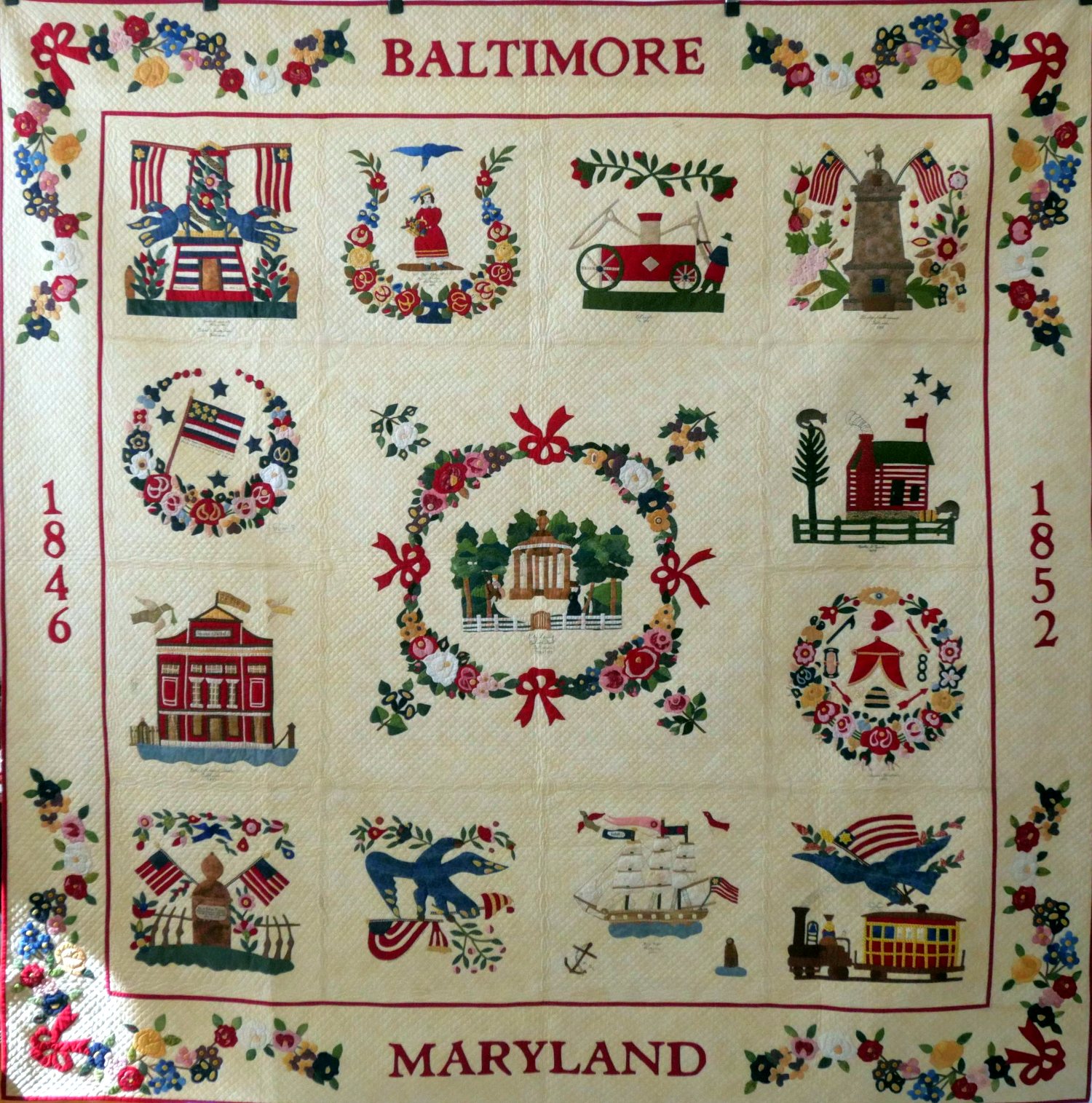
Marylou McDonald made, taught and researched Baltimore Album quilts for more than thirty years. Here are her quilts, the stories she told about them, the labels she stitched on the back, and the history she uncovered in museums and attics.
“It’s like reading a good book and you get to the end, you think, what am I going to do now? So it’s kind of a challenge to do the 150 to 200 piece blocks.”
A lifetime of quilts
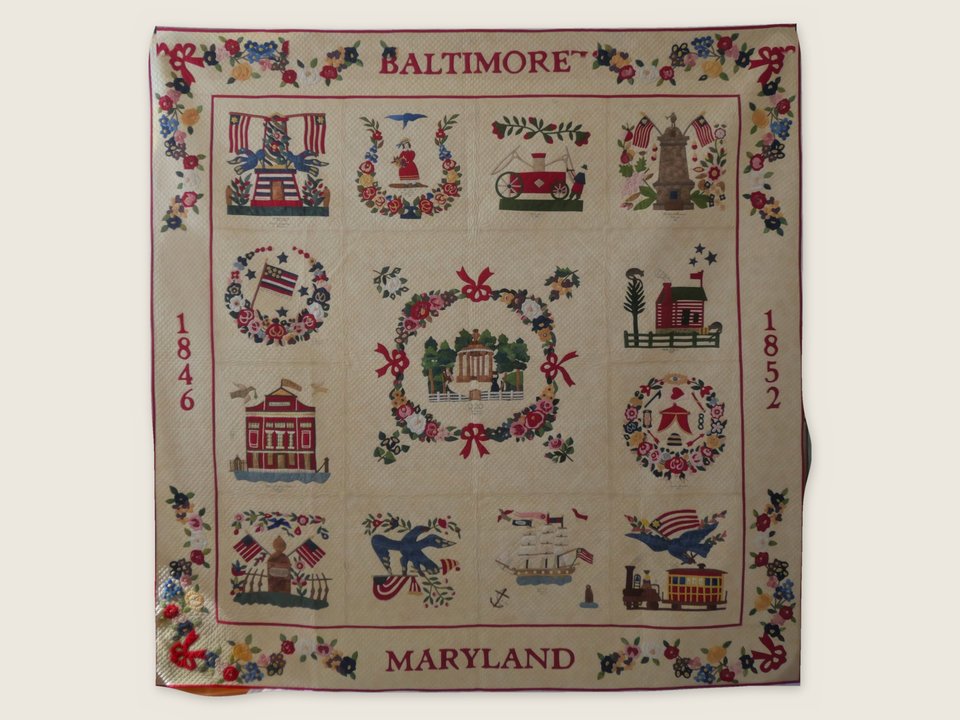
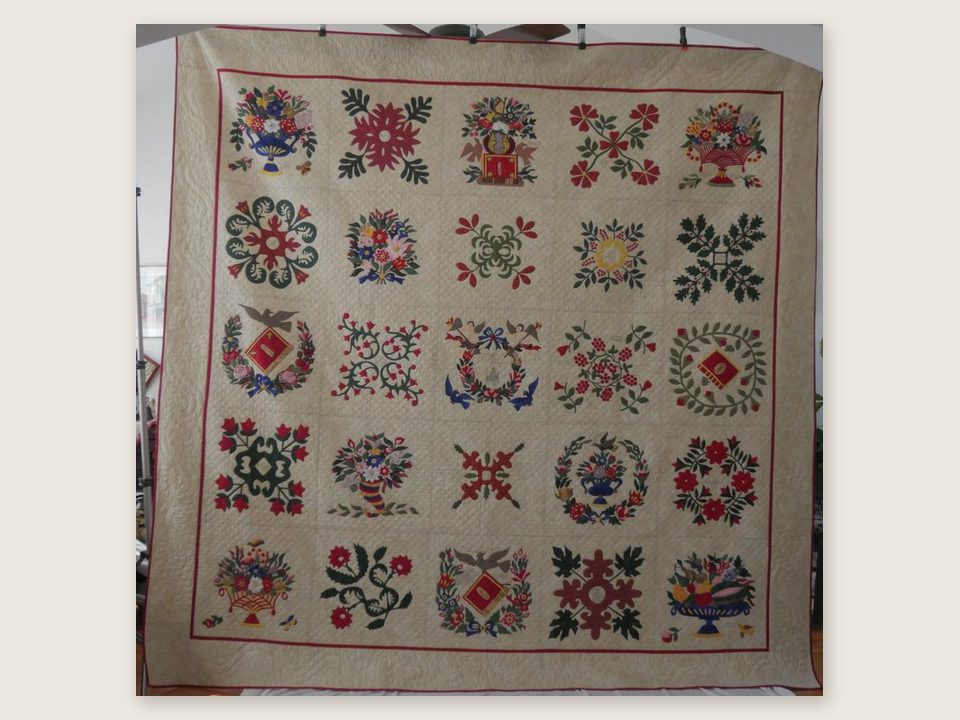
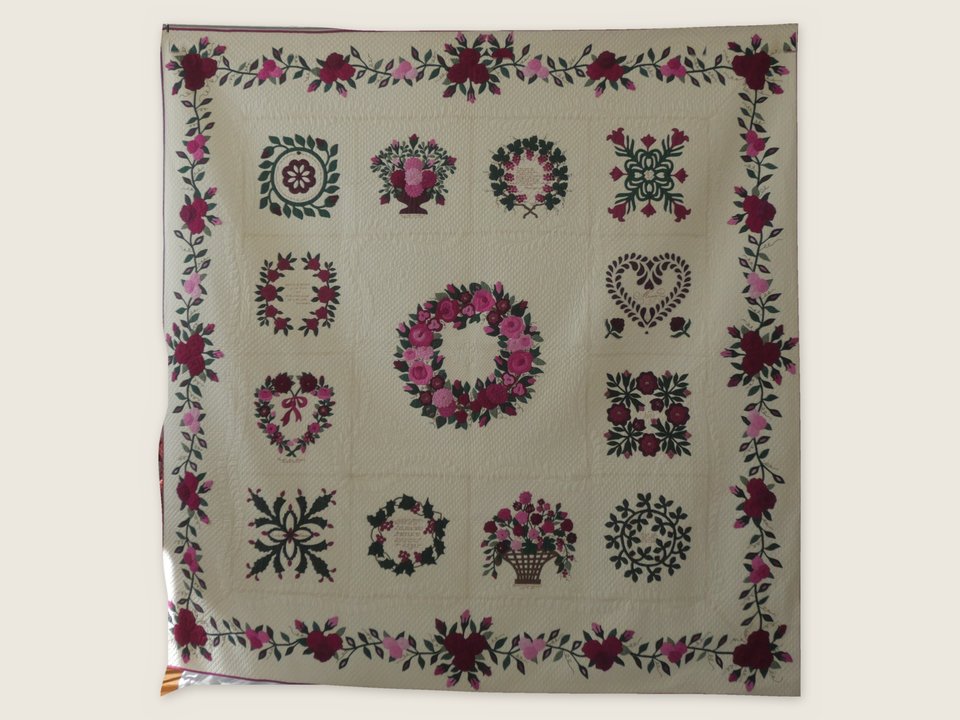
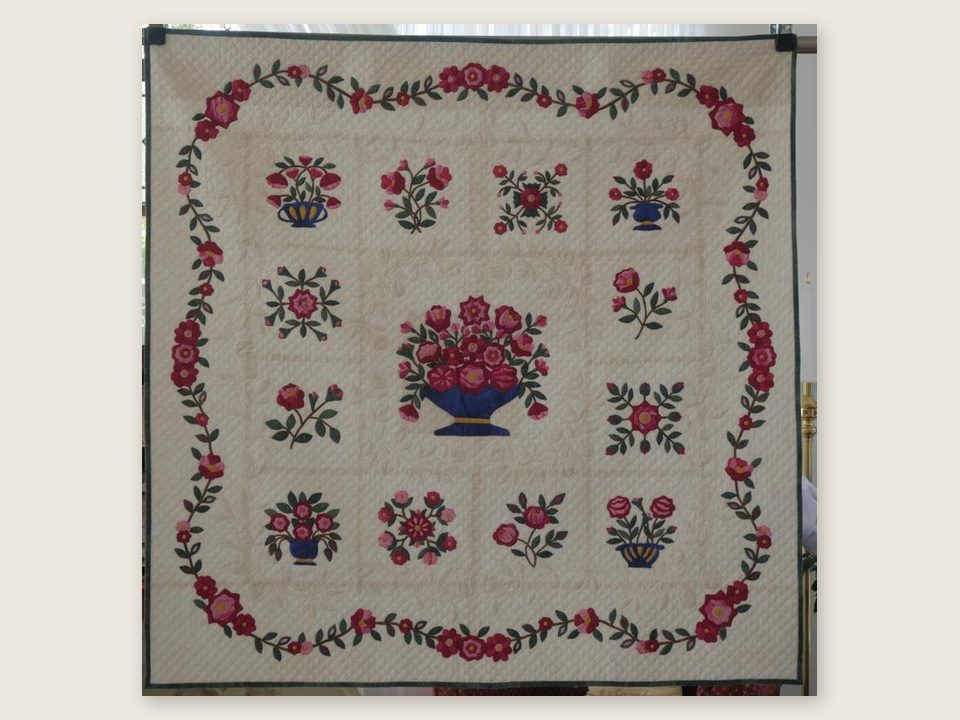
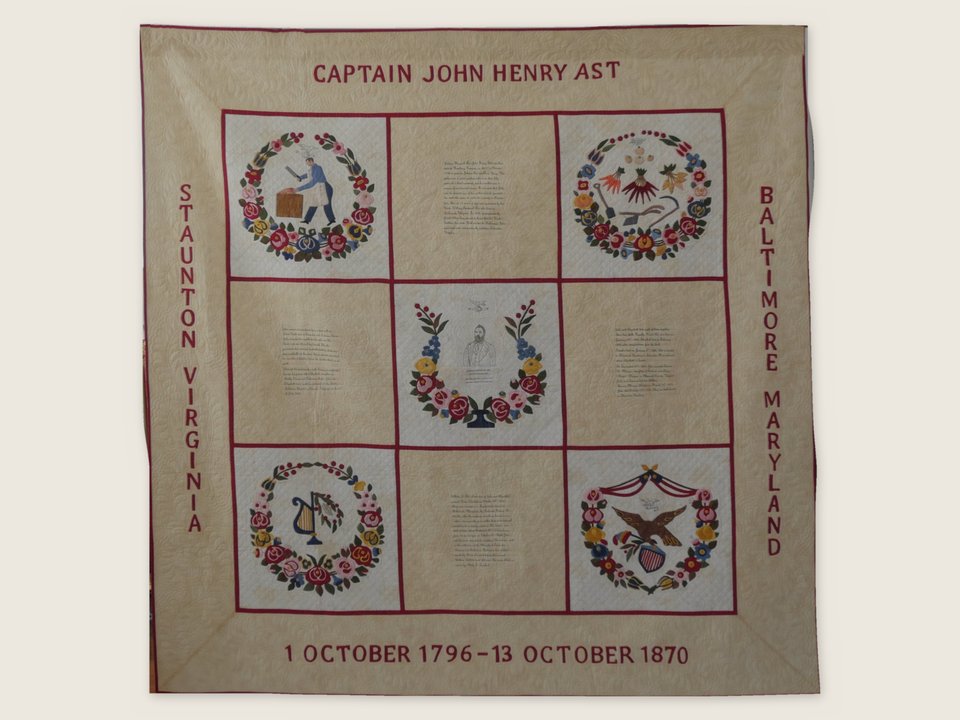
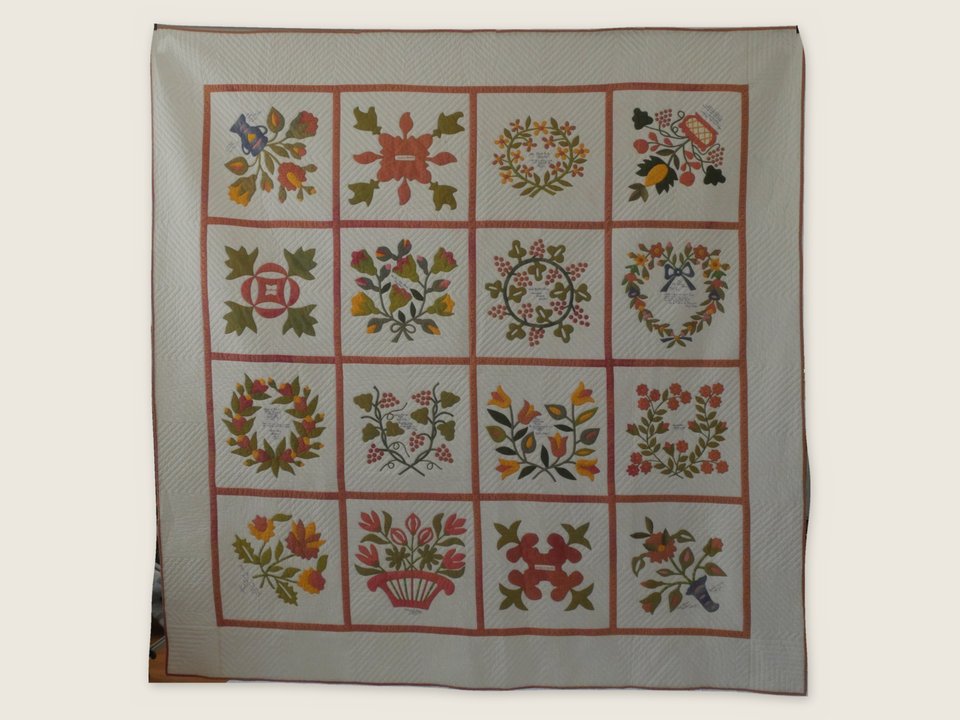
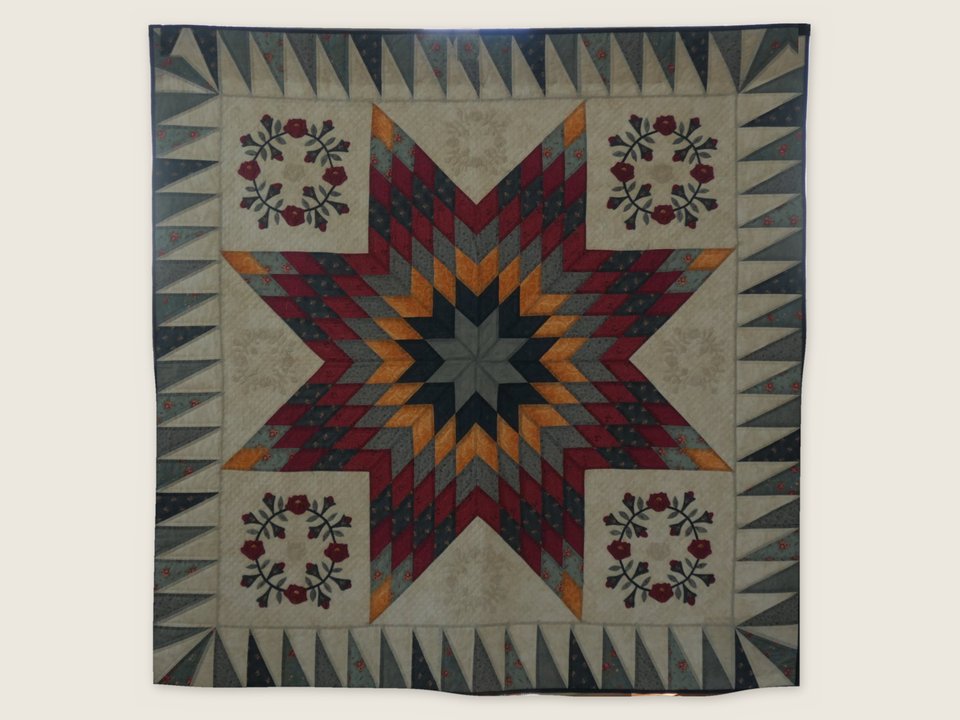
Marylou made quilts for more than thirty years: grand Baltimore Album quilts, miniatures with stitches too small to see, reproductions of museum treasures, and gifts for the people she loved. Open any quilt to see its photographs, read its label and hear her tell its story.
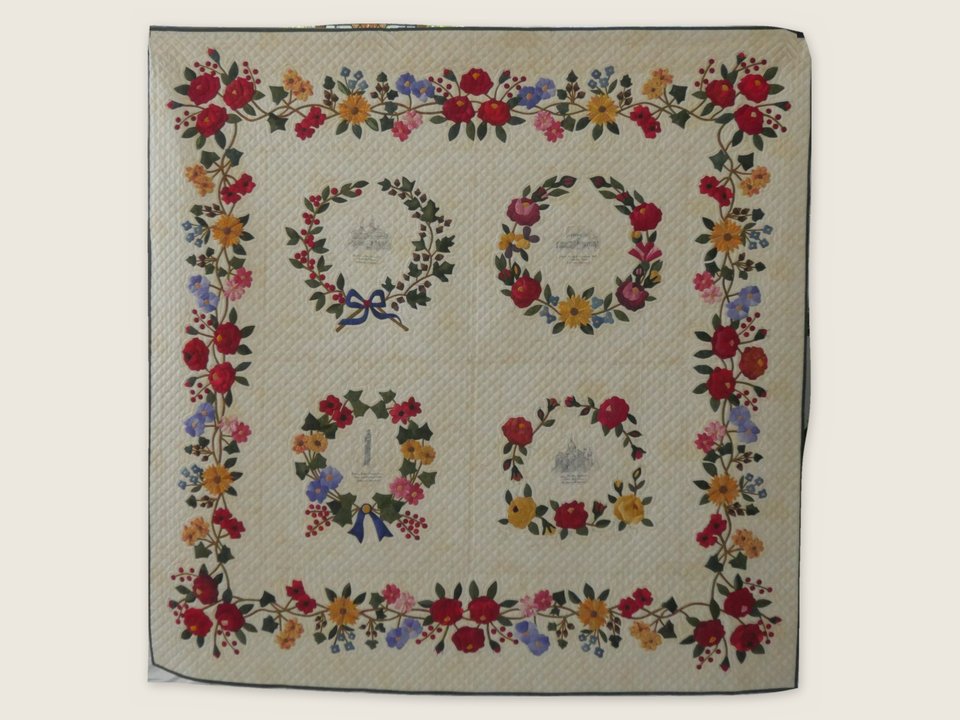
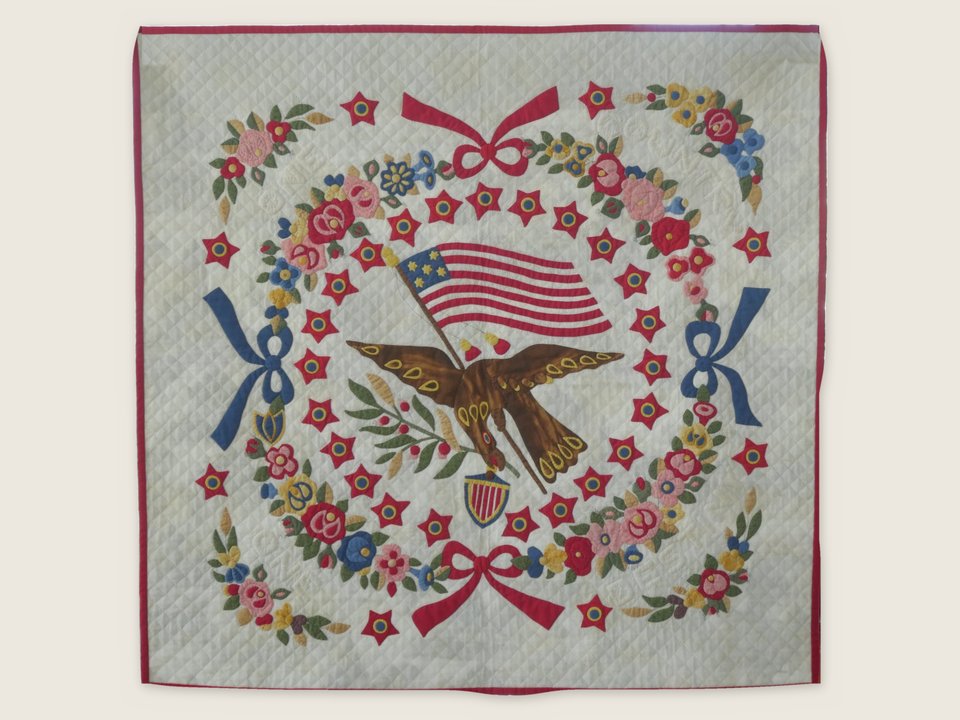
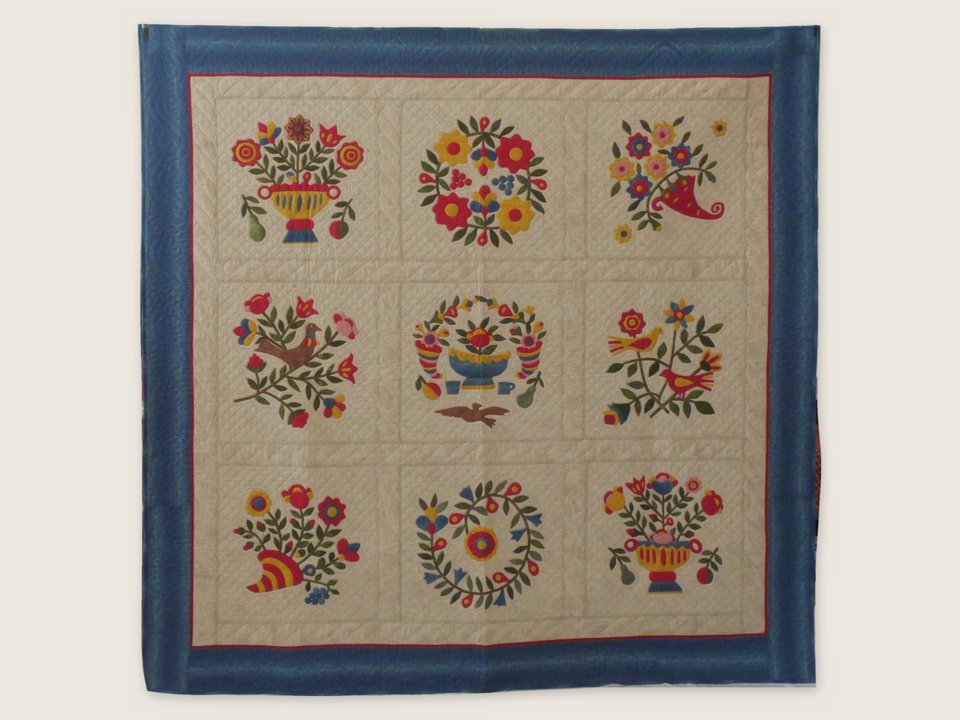
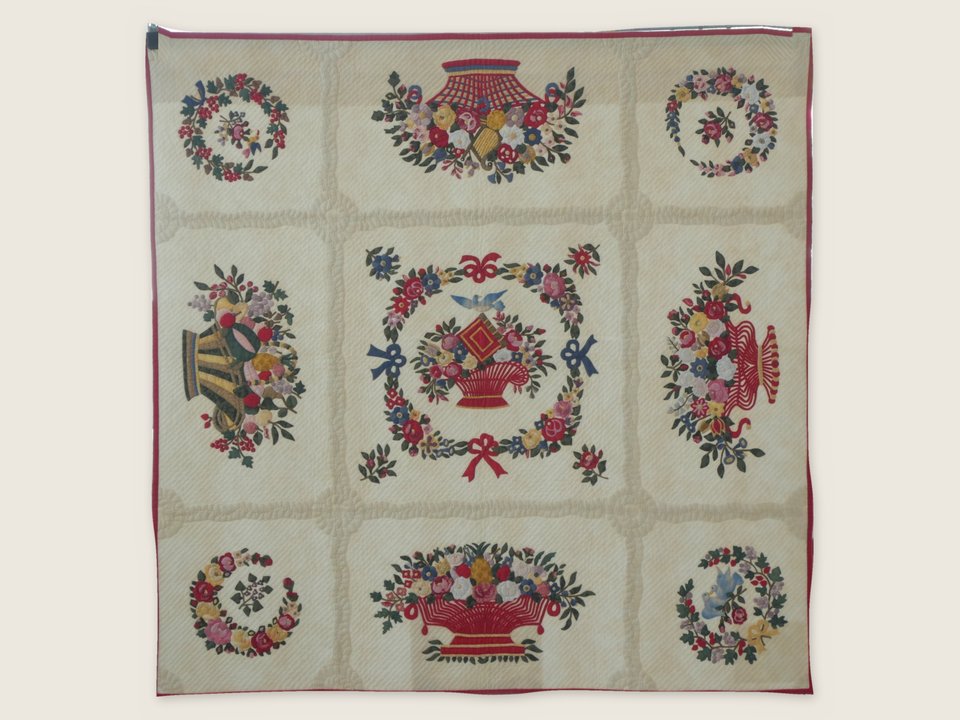
From Bangor, Maine to Baltimore’s album quilts
Two aunts taught her to sew in Maine. She raised three children in Laurel, Maryland, managed a credit union, won a national championship in field archery, and in 1991 walked next door from a cross-stitch shop into Mimi Dietrich’s Baltimore Album class.
“I think she figured out what she wanted to do when she grew up.”
What is really a Baltimore Album Quilt?
“It is a type of album quilt made in Baltimore for or by someone living in Baltimore,” made between 1846 and 1852. Marylou sorted their blocks into three styles; the third was her own discovery.
Style 1
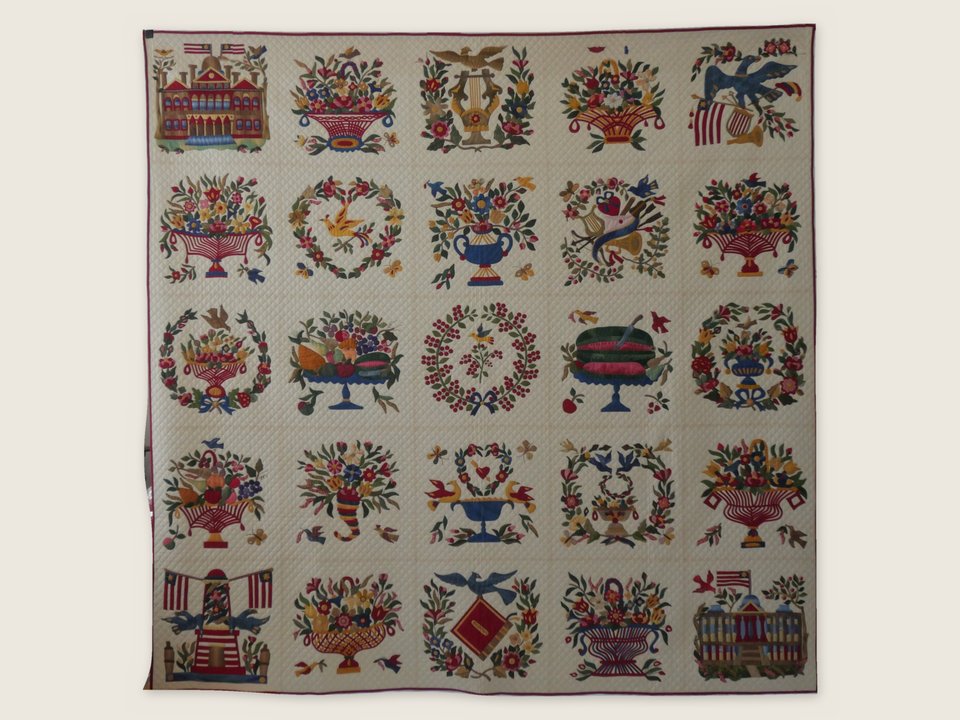
100–175 piecesHigh-style, multi-piece blocks, elaborately appliquéd: floral wreaths, baskets of flowers or fruit, monuments, cornucopias, patriotic designs, eagles with the American flag, birds and butterflies.
Her Mary Simon reproduction is all Style 1 blocks.
Style 2
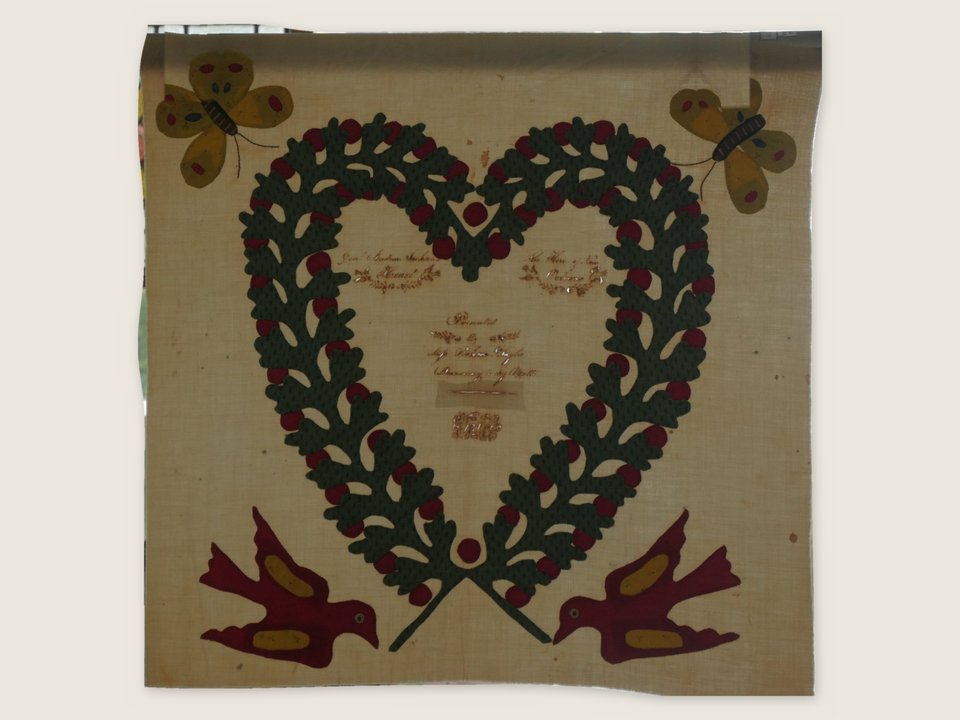
10–30 piecesThe simpler blocks, with fewer appliqué pieces. Many are mostly red and green.
The antique 1846 Andrew Jackson blocks in her collection are Style 2.
Style 3
35–60 piecesMostly solid fabrics, found in Baltimore Album quilts dated 1846–1848. She called it the “hot dog rose” block, though not every block has a rose.
Her Style Three quilt, reproduced from nine album quilts.
Tracing the antique quilts, so others could make them
With Margo Cramer and Eleanor Layman, Marylou traced antique quilts in museums and turned them into patterns, including all 123 blocks of the four Lovely Lane Museum quilts. She documented more than a hundred antique Baltimore Album quilts and taught her “Tips, Tricks and Techniques” classes in ten states.
Every quilt carries its own story
Marylou labeled her quilts the way the 1840s makers signed theirs: who made each block, where the pattern came from and who quilted it. A Dozen Red Roses for Mom is named for her father, who gave her mother a dozen red roses every month of their first year of marriage. She began it on March 20, 2003, and so it is also “The War of the Roses.”
Read the label →Her patterns, research and papers
Her family is scanning Marylou’s documents so they can live here beside the quilts.